

Egypt Travel 2026: Your Ultimate Guide to the Land of the Pharaohs
Egypt remains one of the most fascinating travel destinations in the world in 2026. With its millennia-old history, breathtaking monuments, and unique culture along the Nile, the country attracts millions of visitors. This comprehensive travel guide provides you with all the essential information for your Egypt trip in 2026.
Why Visit Egypt in 2026?
The year 2026 promises to be a particularly favorable time for an Egypt trip. The country’s tourist infrastructure has improved significantly in recent years, and new archaeological discoveries continue to make headlines. The Grand Egyptian Museum in Giza, the world’s largest archaeological museum, presents its complete collection and offers visitors an unparalleled experience.
The Egyptian government has invested heavily in tourist safety and comfort. Modern hotels, improved transportation connections, and professional tour guides make your trip more pleasant and safer than ever before. Additionally, Egypt offers excellent value for money compared to other international destinations.
The Best Destinations in Egypt
Cairo and Giza
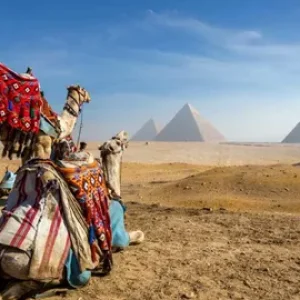
The Egyptian capital Cairo is the perfect starting point for your Egypt journey. The vibrant metropolis uniquely combines history and modernity. The highlight of any Cairo trip is undoubtedly the Pyramids of Giza. These ancient wonders of the world have stood for over 4,500 years and impress visitors with their monumental size and architectural precision.
The Great Pyramid of Khufu is the largest of the three pyramids and was the tallest man-made structure in the world until the Middle Ages. Besides the pyramids, you should definitely visit the enigmatic Sphinx, which guards the pyramids with its lion body and human head.
The new Grand Egyptian Museum offers an air-conditioned, modern environment to admire over 100,000 artifacts, including the complete collection of Tutankhamun’s tomb treasures. The museum itself is an architectural masterpiece and offers a spectacular view of the pyramids.
In Cairo’s old city, the Islamic Quarter, you can stroll through narrow alleys and visit traditional markets. The Khan el-Khalili Bazaar is a lively labyrinth of shops where you can purchase authentic Egyptian souvenirs, spices, jewelry, and handicrafts.
Luxor: The World’s Greatest Open-Air Museum
Luxor, ancient Thebes, houses some of Egypt’s most impressive archaeological sites. The city is divided into the East and West banks of the Nile, with each side holding its own treasures.
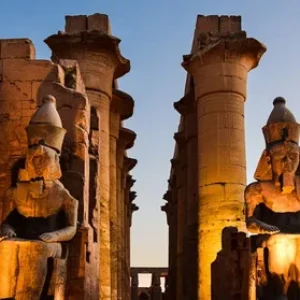
On the East Bank are the Karnak Temple and Luxor Temple. The Karnak Temple is a massive temple complex whose construction took over two millennia. The Hypostyle Hall with its 134 massive columns is particularly impressive. At night, the temple is spectacularly illuminated, creating a magical atmosphere.Siehe auch Hurghada Dolphin Tour.
The West Bank houses the famous Valley of the Kings, where the pharaohs of the New Kingdom were buried. Tutankhamun’s tomb can be found here, as well as magnificently decorated tombs of Ramses III, Seti I, and many other rulers. The colorful wall paintings in the tombs are remarkably well-preserved and provide fascinating insights into ancient Egyptian religion and culture.
The Hatshepsut Temple, a terraced structure that elegantly nestles into the rock face, is another architectural highlight. The mighty Colossi of Memnon, two giant statues that once guarded the entrance to a temple, are also worth a visit.
Aswan and Abu Simbel
Aswan, Egypt’s southernmost city, offers a more relaxed atmosphere than Cairo or Luxor. The city is known for its Nubian character and beautiful location on the Nile. The Aswan High Dam, an impressive engineering feat, has fundamentally changed the region’s landscape and economy.Siehe auch.
From Aswan, you can take a day trip to the temples of Abu Simbel. These two rock temples were built by Ramses II and are among Egypt’s most spectacular monuments. The four colossal statues of Ramses II that adorn the main temple’s facade are over 20 meters high. Twice a year, the sun’s rays penetrate deep into the temple’s interior and illuminate the statues in the sanctuary – an astronomical marvel.
Philae Island with its Isis Temple is another highlight in Aswan. The temple was relocated to a higher island during the dam’s construction and is now accessible by boat.
The Red Sea and Beach Vacations
After cultural experiences, the Egyptian Red Sea coast offers the perfect opportunity for relaxation. Hurghada, Sharm el-Sheikh, Marsa Alam, and El Gouna are popular beach resorts with crystal-clear water, white sandy beaches, and first-class hotels.
The Red Sea is world-famous for its coral reefs and extraordinary underwater world. Divers and snorkelers can observe colorful corals, tropical fish, turtles, dolphins, and even sharks. Many resorts offer diving courses for beginners as well as guided diving excursions for experienced divers.
Water sports enthusiasts will also have a great time. Windsurfing, kitesurfing, jet skiing, and parasailing are just some of the available activities. Desert safaris by quad or jeep offer variety from beach life and provide insights into Bedouin life.
Nile Cruises: The Classic Way to Experience Egypt
A Nile cruise between Luxor and Aswan is one of the most popular and relaxing ways to visit Egypt’s ancient sites. As you glide along the legendary river, you can enjoy the passing scenery and get an impression of traditional life along the Nile.
Most Nile cruises last between three and seven days and include stops at the main attractions. Besides Luxor and Aswan, visits typically include Edfu with its well-preserved Temple of Horus and Kom Ombo with its unique double temple.
Modern cruise ships offer comfortable cabins, sun decks, pools, restaurants, and entertainment programs. There are various categories of ships, from budget options to luxurious five-star cruises, so there’s something for every taste and budget.
Best Time to Travel to Egypt in 2026
Choosing the right travel time is crucial for a pleasant Egypt experience. The climate in Egypt varies considerably depending on the region and season.
The optimal travel time for cultural trips to Cairo, Luxor, and Aswan is from October to April. During this period, temperatures are pleasantly mild, averaging 20 to 28 degrees Celsius during the day. The summer months from May to September can be extremely hot, with temperatures often exceeding 40 degrees Celsius, making sightseeing strenuous.
For a beach vacation on the Red Sea, the entire year is suitable. Water temperatures remain pleasant even in winter, and the coastal breeze makes the summer heat more bearable than in the interior.
The high season in Egypt is between December and February, as well as during Easter. During these months, prices are higher and attractions more crowded. Those who are flexible should consider the shoulder seasons in spring (March to May) or autumn (September to November), when the weather is still good but fewer tourists are around.
Practical Travel Tips for Egypt 2026
Visa and Entry Requirements
German, Austrian, and Swiss citizens need a visa to enter Egypt. This can be applied for either before the trip as an e-visa online or upon arrival at the airport. The visa on arrival costs about $25 USD and is valid for 30 days. It’s recommended to check current entry requirements before traveling, as these may change.
Your passport must be valid for at least six months upon entry. For travel with children, a separate children’s passport is required.
Health and Vaccinations
No mandatory vaccinations are required for Egypt unless you’re traveling from a yellow fever area. However, standard vaccinations such as tetanus, diphtheria, hepatitis A, and hepatitis B are recommended. For long-term stays or special risks, additional vaccinations such as typhoid, rabies, or meningococcal may be sensible.
Do not drink tap water in Egypt, only bottled water from sealed bottles. Also be careful with ice cubes, ensuring they’re made from purified water. Avoid raw or unpeeled fruits and vegetables that have been washed with tap water.
Travel health insurance with repatriation is strongly recommended. Medical care in Cairo and tourist areas is generally good, but limited in rural areas.
Currency and Payment
The Egyptian currency is the Egyptian Pound (EGP). It’s advisable to exchange money only after arriving in Egypt, as the exchange rate is more favorable there. ATMs are widespread in cities and tourist areas, and most accept international credit cards.
Credit cards are accepted in hotels, larger restaurants, and shops, but you’ll need cash for small purchases, tips, and at markets. Bargaining is common and expected at markets and with street vendors.
Tipping is customary in Egypt and expected by service personnel. For waiters, 10-15% is appropriate, for porters one or two pounds per piece of luggage, for tour guides and drivers 5-10 euros per day depending on service.
Clothing and Behavioral Rules
Egypt is a predominantly Muslim country, and it’s important to show cultural sensitivity. In Cairo and tourist areas, the dress code is relatively relaxed, but respectful clothing is appreciated. Women should cover shoulders and knees, especially when visiting religious sites. In beach resorts on the Red Sea, Western swimwear is acceptable.
Public displays of affection between couples should be kept discreet. Do not photograph military installations or police, and ask permission before photographing people.
Safety
The security situation in Egypt has improved significantly in recent years, and the main tourist areas are considered safe. The Egyptian government and tourist police have made considerable efforts to ensure visitor safety.
Follow the usual precautions as in any other travel destination: keep valuables secure, be vigilant in crowds, and avoid walking alone through unfamiliar neighborhoods after dark. Check the current security situation with your foreign ministry before traveling.
Cost of an Egypt Trip in 2026
Egypt offers excellent value for money. Costs vary depending on travel style, season, and chosen activities.
Flights from Europe to Cairo or Red Sea resorts cost between 200 and 600 euros depending on season and booking time. Early bookers and flexible travelers can often find cheaper deals.
Accommodations range from budget hostels starting at 10 euros per night to luxury hotels for several hundred euros. Mid-range hotels with good standards cost about 30-80 euros per night for a double room.
Food is very affordable in Egypt. A meal at a local restaurant costs 3-7 euros, while upscale restaurants charge 15-30 euros per person. Street food is even cheaper and often very delicious.
Entrance fees to attractions are higher for foreign tourists than for locals. Expect about 10-20 euros per monument. Combination tickets can save money.
A one-week Egypt trip with mid-range accommodations, daily sightseeing, and occasional restaurant visits costs about 800-1,500 euros per person, including flights.
Egyptian Cuisine: Culinary Highlights
Egyptian cuisine is rich, spicy, and diverse. Koshari, a vegetarian dish of rice, lentils, pasta, and tomato sauce, is the national dish and served everywhere. It’s nutritious, delicious, and very affordable.
Ful Medames, cooked fava beans with spices, olive oil, and lemon, is a traditional breakfast. Ta’meya, the Egyptian version of falafel, is made from fava beans instead of chickpeas and is also a popular snack.
Meat dishes are equally popular. Kebab and kofta (spiced minced meat on skewers) are served in most restaurants. Hamam Mahshi (stuffed pigeons) is a delicacy you should definitely try.
Sweets play an important role in Egyptian culture. Baklava, Om Ali (bread pudding with nuts and raisins), and kunafa are delicious desserts. Freshly squeezed fruit juices are refreshing and available everywhere.
Egyptian tea and coffee are strong and usually served very sweet. Also try karkade, a refreshing tea made from hibiscus flowers, drunk hot or cold.
Souvenirs and Shopping
Egypt offers an abundance of interesting souvenirs. Papyrus paintings with ancient Egyptian motifs are popular, but make sure to buy genuine papyrus and not banana leaf imitations. Visit a papyrus workshop to see the manufacturing process.
Egyptian cotton is world-famous for its quality. Bed linen, towels, and clothing made from Egyptian cotton are excellent gifts. Spices like cumin, coriander, saffron, and spice blends are aromatic and affordable.
Jewelry in pharaonic style, alabaster figurines, handmade leather goods, and carpets are other popular souvenirs. When buying antiques, caution is advised, as exporting genuine antiques is illegal.
The Khan el-Khalili Bazaar in Cairo is the ultimate shopping experience. Bargaining is an important part of shopping culture – start at about half the asking price and work your way to a fair price.
Conclusion: Egypt Awaits You
A trip to Egypt in 2026 promises an unforgettable experience full of fascinating history, impressive monuments, friendly people, and diverse landscapes. Whether you want to admire the ancient pyramids, stroll through lively markets, cruise the Nile, or relax by the Red Sea – Egypt offers something for everyone.
The improvements in tourist infrastructure and excellent value for money make Egypt an attractive destination for 2026. With good preparation, respect for local culture, and an open mind, you will experience the magic of this extraordinary country.
Start planning your Egypt trip for 2026 now and let yourself be enchanted by the timeless fascination of the land of the pharaohs. The pyramids are waiting to be discovered by you, and the Nile flows as it has for millennia – ready to tell you its stories.


Comment (0)