

Luxor and Aswan Tours: An Unforgettable Journey Through Ancient Egypt
The majestic cities of Luxor and Aswan are among the most fascinating travel destinations in the world. These two Egyptian gems on the banks of the Nile offer visitors a unique opportunity to immerse themselves in the rich history of ancient Egypt.
Luxor: The World’s Largest Open-Air Museum
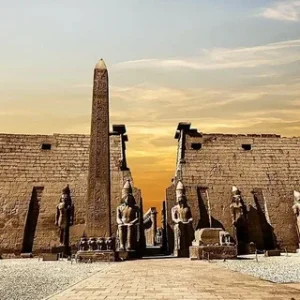
Luxor, formerly known as Thebes, was the glorious capital of ancient Egypt during the New Kingdom. The city is home to nearly one-third of the world’s ancient monuments, earning it the title of the largest open-air museum in the world. The Nile River divides Luxor into two distinct areas: the East Bank, dedicated to the living with its grand temples, and the West Bank, devoted to the dead.
Top Attractions in Luxor
Karnak Temple Complex
The Karnak Temple is the heart of Luxor and one of the largest religious complexes ever built. Covering more than 100 hectares, it impresses visitors with massive columns, intricate hieroglyphs, and the famous Great Hypostyle Hall with 134 enormous pillars. Construction spanned several centuries, with contributions from many pharaohs.
Luxor Temple
Located directly on the Nile’s eastern bank, Luxor Temple is another architectural masterpiece. Visiting in the evening is especially magical when the temple is beautifully illuminated. The historic avenue that once connected Karnak and Luxor Temples—lined with sphinxes—is currently being restored to its former glory.
Luxor West Bank
The West Bank of Luxor is home to remarkable treasures. The Valley of the Kings, where Tutankhamun and many other pharaohs were laid to rest, attracts millions of visitors each year. The vividly painted tombs are exceptionally well preserved. The Mortuary Temple of Hatshepsut, carved into the cliffs, stands as a stunning testament to the power of Egypt’s most famous female pharaoh.
Aswan: The Pearl of Southern Egypt
Located about 200 kilometers south of Luxor, Aswan offers a completely different atmosphere. Known for its relaxed pace, Nubian culture, and strategic importance as the gateway to Africa, Aswan enjoys a warm, dry climate year-round, making it a popular winter destination.
Highlights in Aswan
Aswan High Dam
The Aswan High Dam is a modern engineering marvel built in the 1960s. It created Lake Nasser, one of the world’s largest artificial lakes, and dramatically transformed Egypt’s landscape. A visit provides fascinating insight into Egypt’s modern history and development.
Abu Simbel Temples
Located about three hours south of Aswan, the Abu Simbel Temples are among Egypt’s most spectacular monuments. Carved into solid rock by Ramses II, the temples were relocated entirely during the construction of the Aswan High Dam—an extraordinary archaeological achievement. The four colossal statues of Ramses II are truly unforgettable.
Philae Temple
Situated on an island in the Nile, the Philae Temple is dedicated to the goddess Isis. Like Abu Simbel, it was relocated due to the dam’s construction. The evening sound-and-light show at Philae tells the story of the ancient Egyptian gods and creates a magical experience.
Nubian Village
A visit to a Nubian village on the west bank of the Nile offers an authentic cultural experience. Colorful houses, traditional music, and warm hospitality make this visit memorable. Many travelers enjoy reaching the village by traditional felucca sailboat.
Best Time to Visit Luxor and Aswan
The ideal time for Luxor and Aswan tours is from October to April, when temperatures are pleasant. Summer months can exceed 40°C (104°F), making sightseeing challenging. Winter offers mild daytime temperatures and cool evenings—perfect for temple visits and Nile cruises.
Autumn and spring are especially recommended due to ideal weather and fewer crowds. Travelers who tolerate heat can benefit from attractive prices during the low season.
Nile Cruises: The Classic Way to Travel
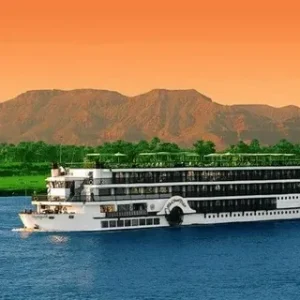
A Nile cruise between Luxor and Aswan is the most relaxing and romantic way to connect the two cities. Cruises pass through scenic landscapes and stop at major archaeological sites such as Kom Ombo Temple and Edfu Temple. On board, travelers enjoy comfort, excellent cuisine, and evening entertainment.Siehe auch.
Cruises typically last between three and seven days, ranging from standard boats to luxurious five-star ships. Gliding slowly along the Nile past green banks, palm groves, and small villages creates a timeless experience.
Practical Travel Tips for Luxor and Aswan
Travelers usually reach Luxor and Aswan via Cairo or direct charter flights from Europe. Both cities have international airports. Alternatively, train travel from Cairo offers a scenic and authentic experience.
Hiring a knowledgeable guide is highly recommended. Professional explanations bring hieroglyphs, mythology, and history to life. Many travelers choose organized tours that include transportation, entrance fees, and guided visits.
Appropriate clothing is important: lightweight, long-sleeved garments protect from the sun and respect local customs. Comfortable shoes are essential, as sightseeing involves extensive walking. Sun protection, hats, and sufficient water are always advised.
Culinary Experiences
Egyptian cuisine offers a rich variety of flavors. In Luxor and Aswan, travelers can enjoy traditional dishes such as koshari, falafel, grilled Nile fish, and various mezze. Many Nile-side restaurants provide stunning views for romantic dinners.
In Aswan, sampling Nubian cuisine is highly recommended, known for its unique spices and preparation methods. Fresh mango juice, hibiscus tea, and traditional Egyptian coffee complete the culinary experience.
Shopping and Souvenirs
Local bazaars in Luxor and Aswan offer a colorful selection of souvenirs—from handmade jewelry and papyrus paintings to spices and traditional clothing. Bargaining is part of the culture and expected; patience and good humor usually lead to fair prices.
Popular souvenirs include alabaster items from Luxor, Nubian handicrafts from Aswan, and replicas of ancient Egyptian art. Caution is advised when purchasing antiquities, as exporting genuine artifacts is illegal.
Sustainable Travel in Egypt
Responsible travelers respect Egypt’s fragile ancient sites by avoiding touching walls, damaging inscriptions, and following site regulations. Choosing eco-friendly accommodations and local tour operators helps support the local economy and preserve heritage.
Conclusion: A Journey of a Lifetime
Luxor and Aswan tours offer an unparalleled combination of history, culture, and adventure. Monumental temples, well-preserved tombs, and vibrant local life make every journey unforgettable. Whether admiring the towering columns of Karnak, exploring the Valley of the Kings, or enjoying a sunset felucca ride on the Nile, this region delivers lifelong memories.


Comment (0)