

Egypt Tours – Beach Holiday & Culture Perfectly Combined
Egypt tours unite thousands of years of history with stunning beaches on the Red Sea. Experience the Pyramids of Giza, magnificent temples along the Nile, and relax at crystal-clear beach paradises. The perfect combination of adventure and relaxation awaits you.
Why Egypt is the Ideal Destination for Combined Culture and Beach Vacations
Egypt’s geographical diversity makes it an extraordinary travel destination for discerning travelers. Within just a few flight hours from Europe or North America, you reach a country that combines over 5,000 years of history with modern vacation comfort. The infrastructure for tourists is excellently developed, and the year-round warm climate guarantees sunshine in every season.
Particularly attractive is the opportunity to collect completely different experiences within a single trip. In the morning, you’re still walking in the footsteps of the pharaohs through ancient temple complexes, while by evening you’re already burying your feet in the warm sand of the Red Sea. This flexibility makes Egypt a perfect travel destination for couples, families, and solo travelers seeking more than just a one-dimensional vacation.
The minimal time difference makes travel significantly easier and minimizes jet lag. Additionally, the cost of living on-site is considerably lower than in many European vacation countries, enabling excellent value for money. High-quality hotels, excellent gastronomy, and first-class tourist attractions are available at prices that international travelers particularly appreciate.
Cultural Highlights of an Egypt Tour
Cairo and the Pyramids of Giza
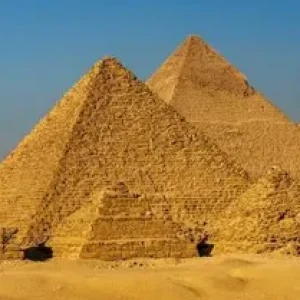
No Egypt trip is complete without visiting the legendary Pyramids of Giza. These monumental structures, which belong to the Seven Wonders of the Ancient World, rise majestically on the edge of Cairo and offer a breathtaking sight. The Great Pyramid of Khufu, the largest of the three main pyramids, impresses with its architectural perfection and its over 4,500-year history.
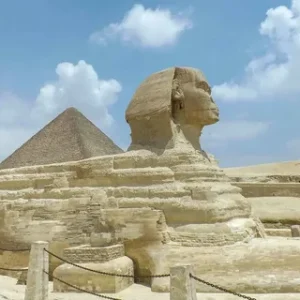
The visit should allow sufficient time to also admire the Sphinx, that mysterious hybrid creature with a lion’s body and human head that has watched over the necropolis for millennia. A guided tour early in the morning is recommended when temperatures are still pleasant and tourist crowds are limited. The rising sun, casting the pyramids in golden light, creates a magical atmosphere you’ll never forget.
The Egyptian Museum in Cairo houses the world’s largest collection of ancient Egyptian art treasures. Over 120,000 exhibits document the fascinating history of the pharaonic empire. Particularly impressive are the burial treasures of Tutankhamun, whose golden death mask has become the symbol of Egypt itself. Plan at least half a day for the museum visit to view the most important exhibits at your leisure.
Luxor – The Open-Air Museum on the Nile
Luxor is considered the world’s largest open-air museum and is an absolute must for culture enthusiasts. The city on the eastern bank of the Nile was once Thebes, the glorious capital of the New Kingdom. Today it impresses with an incredible concentration of archaeological treasures found on both sides of the Nile.
The Karnak Temple is Egypt’s largest temple complex and an architectural masterpiece. The imposing hypostyle hall with its 134 gigantic papyrus columns amazes every visitor. During a walk through the extensive complex, you can trace the various construction phases that span more than 2,000 years. The visit is particularly impressive in late afternoon when sunlight bathes the hieroglyphs on the walls in warm light.
The Valley of the Kings on the western bank of the Nile contains the tombs of the most powerful pharaohs. In the artfully decorated underground chambers, you can admire the colorful wall paintings that remain remarkably well-preserved despite being over 3,000 years old. The tomb of Ramses VI is considered one of the most beautiful and is definitely worth a visit. The Temple of Hatshepsut, built in terraces against a cliff face, impresses with its unique architecture and harmonious integration into the landscape.
Aswan and the Temple of Abu Simbel
Aswan, Egypt’s southernmost city, enchants with its relaxed atmosphere and picturesque location on the Nile. Nubian culture shapes the cityscape with its colorful houses and friendly people. A felucca ride on the Nile at sunset is one of the most romantic experiences of an Egypt trip.See also Egypt Excursions 2026.
The Philae Temple, located on an island in Lake Nasser, is dedicated to the goddess Isis and was relocated block by block in the 1960s to save it from the floods of the Aswan Dam. The temple complex is particularly well-preserved and offers beautiful reliefs and colonnades.
However, the absolute highlight of an Aswan visit is the excursion to Abu Simbel. The two massive rock temples that Ramses II had carved into the rock over 3,200 years ago belong to the most impressive monuments of ancient Egyptian art. The four colossal seated statues of the pharaoh on the facade of the great temple are over 20 meters high and impressively convey the power and claim of this ruler. Twice a year, on February 22 and October 22, the first rays of the sun penetrate to the sanctuary of the temple and illuminate the god statues placed there – a phenomenon that demonstrates the astronomical knowledge of the ancient Egyptians.
Beach Paradises on the Red Sea
Hurghada – The Classic for Beach Lovers
Hurghada is Egypt’s best-known beach resort and offers perfect infrastructure for vacationers seeking relaxation after their cultural tour. The kilometers-long sandy beaches are lined with first-class hotels, from family-friendly all-inclusive resorts to luxurious boutique hotels that fulfill all desires.
The Red Sea off Hurghada is a paradise for snorkelers and divers. The coral reefs are among the most beautiful and species-rich in the world. Colorful schools of fish, majestic rays, and with some luck even sea turtles and dolphins can be observed in the crystal-clear waters. Numerous diving schools offer courses for beginners and guided dives for advanced divers.
There are also numerous water sports opportunities for non-divers. Kitesurfing, windsurfing, parasailing, and jet skiing provide variety and adrenaline. Those preferring quieter activities can indulge in a massage at the hotel spa or simply relax by the pool with a good book.
Marsa Alam – The Untouched Jewel
South of Hurghada lies Marsa Alam, a relatively young tourist destination that has preserved its original charm. Hotels are less densely packed, and coral reefs often lie directly on the doorstep, making house reef snorkeling a daily pleasure.
Marsa Alam is known for encounters with dugongs, the gentle sea cows that graze in shallow bays. The Elphinstone Reefs are considered world-class dive spots among divers, with spectacular walls and the possibility of spotting hammerhead sharks and oceanic whitetip sharks.
The desert landscape behind Marsa Alam invites jeep safaris and quad tours. An excursion to the emerald-green mines of Mons Smaragdus or to Wadi el Gamal, a nature reserve with impressive mangrove forests, offers welcome variety from beach life.
Sharm el-Sheikh and the Sinai Peninsula
Sharm el-Sheikh at the southern tip of the Sinai Peninsula is an ultra-modern vacation resort with international flair. Na’ama Bay with its beachfront promenade full of restaurants, bars, and shops forms the vibrant heart of the place.
The diving grounds around Sharm el-Sheikh are among the most legendary worldwide. Ras Mohammed National Park offers spectacular underwater landscapes with vertically dropping reef walls through which strong currents transport nutrient-rich water, promoting incredible biodiversity. The wreck of the Thistlegorm, a British cargo ship from World War II, is one of the most famous wreck dives worldwide.See also.
From Sharm el-Sheikh, an excursion to St. Catherine’s Monastery at the foot of Mount Sinai is worthwhile. The UNESCO World Heritage site is one of the oldest continuously inhabited Christian monasteries. Those who undertake the ascent of the 2,285-meter-high Mount Sinai at night will be rewarded with an unforgettable sunrise over the barren mountain landscape of Sinai.
Perfect Itinerary Suggestions for Your Combined Tour
The Classic 10-Day Route
Day 1-3: Cairo Begin your journey in the vibrant capital. Visit the Pyramids of Giza, the Egyptian Museum, and stroll through Khan el-Khalili Bazaar, where you can immerse yourself in the oriental atmosphere and purchase souvenirs.
Day 4-6: Nile Cruise from Luxor to Aswan A multi-day Nile cruise is the most relaxing way to visit the most important temple complexes between Luxor and Aswan. You stay in floating hotels with all comforts and enjoy the view of passing landscapes while cruising from sight to sight. The temples of Edfu and Kom Ombo lie directly along the way.
Day 7-10: Beach Holiday in Hurghada After the cultural impressions, relax on the beaches of Hurghada. Use the time for snorkeling excursions, spa treatments, or simply lounging on the beach.
The Intensive 14-Day Route for Explorers
Day 1-4: Cairo and Alexandria In addition to the classic highlights in Cairo, take a day trip to Alexandria, the Mediterranean coastal city with its rich Greco-Roman history. The Bibliotheca Alexandrina and the Catacombs of Kom el-Shoqafa are absolute highlights.
Day 5-8: Luxor Intensive Spend more time in Luxor to explore lesser-known sights as well. The Temple of Dendera north of Luxor impresses with its excellently preserved ceiling paintings. Stay in one of the charming hotels on the west bank with views of the Nile.
Day 9-11: Aswan and Abu Simbel In Aswan, you have time for multi-day exploration. Stay at the traditional Old Cataract Hotel that inspired Agatha Christie, or visit a Nubian village to experience local culture.
Day 12-14: Marsa Alam End your journey in Marsa Alam, where you can enjoy pristine reefs and the relaxed atmosphere. Book a private snorkeling excursion or undertake a desert safari.
The Luxurious 12-Day Premium Route
Day 1-2: Cairo Stay at the legendary Mena House Hotel with direct views of the pyramids. Book a private tour with a renowned Egyptologist for deeper understanding of the history.
Day 3-7: Luxury Cruise on the Nile Choose a boutique cruise with a maximum of 50 guests for an exclusive experience. Ships like the Sanctuary Sun Boat offer spa, gourmet cuisine, and butler service.
Day 8-12: Luxury Resort in Sharm el-Sheikh Relax in a five-star resort like the Four Seasons. Enjoy private beach sections, first-class restaurants, and an extensive wellness offering.
Practical Tips for Your Egypt Tour
Best Time to Travel
The optimal travel time for Egypt depends on your priorities. For cultural tourism, the months from October to April are ideal when temperatures are pleasantly mild. In summer, temperatures in Luxor and Aswan can rise above 40 degrees Celsius, making sightseeing strenuous.
For beach holidays on the Red Sea, the entire year is suitable. Water temperatures rarely fall below 20 degrees, and even in winter you can easily swim and snorkel. The months March to May and September to November are considered particularly pleasant, being neither too hot nor too windy.
Divers often prefer the summer months when underwater visibility is best. However, this is also when most tourists are present, meaning higher prices and fuller beaches.
Entry Requirements and Visa
International travelers need a visa to enter Egypt, which can be conveniently applied for online as an e-visa. Alternatively, visa issuance is possible upon arrival at the airport. Passports must be valid for at least six months beyond the travel end date.
The e-visa has the advantage of avoiding queues at the airport. It’s valid for a single stay of up to 30 days and costs approximately 25 US dollars. Apply for the visa at least one week before departure to avoid potential delays.
Health and Safety
Egypt is considered a safe travel destination for tourists. Tourist areas are well monitored, and hotels have modern security standards. Nevertheless, you should observe usual precautions and keep valuables in the hotel safe.
Tap water should not be consumed. Use bottled water even for brushing teeth. In good restaurants and hotels, food hygiene is generally not a problem. For the first few days, avoid raw vegetables and salads as a precaution until your stomach adjusts to local cuisine.
Travel health insurance is strongly recommended. Pack a travel pharmacy with anti-diarrheal medication, painkillers, and sun protection. In summer months, a sun hat and high sun protection factor are essential.
Money and Payment
The Egyptian currency is the Egyptian Pound (EGP). In hotels, restaurants, and shops in tourist areas, US dollars and euros are often accepted. Nevertheless, it’s practical to have local currency, especially for tips and small purchases.
ATMs are widespread in all major cities and tourist locations. Credit cards are accepted in hotels and larger shops, though not everywhere. Bring sufficient cash when visiting remote areas.
Tipping (baksheesh) is customary in Egypt and expected for practically every service. Calculate about 5-10% in restaurants and one to two euros for porters, room service, and restroom attendants.
Communication and Internet
Most hotels have Wi-Fi, although speed can be limited outside large resorts. If you want to be constantly online, purchasing a local SIM card at the airport is recommended. Providers Vodafone, Orange, and Etisalat offer affordable data packages for tourists.
Many Egyptian tour guides and service staff speak English well, sometimes German too. In tourist areas, you’ll get by fine with English. A few words of Arabic like “Shukran” (thank you) and “Marhaba” (hello) are nevertheless appreciated and open doors.
Culinary Discoveries
Egyptian cuisine is diverse and flavorful, influenced by Mediterranean, Middle Eastern, and African traditions. Hotels usually serve international cuisine, but it’s worthwhile to visit local restaurants and try authentic dishes.
Koshari, Egypt’s national dish, is a hearty mixture of rice, lentils, pasta, and chickpeas with tomato sauce and fried onions. Ful medames, a bean stew, is traditionally eaten for breakfast. Ta’meya, the Egyptian version of falafel, is made from fava beans instead of chickpeas and tastes delicious.
Fresh fish and seafood are excellent on the coast. Try grilled fish straight from the boat or shrimp Egyptian-style with garlic and spices. Molokhia, a green leafy vegetable soup, is an acquired taste but definitely worth trying.
For dessert, you should try baklava, om ali (a type of bread pudding), and basbousa (semolina cake with syrup). Freshly squeezed mango juice and mint tea are refreshing beverages for hot days.
Shopping and Souvenirs
Egypt’s bazaars and markets are a feast for the senses. Khan el-Khalili Bazaar in Cairo is the most famous, but Luxor and Aswan also have lively markets. Bargaining is customary and expected – start with about half the requested price.
Popular souvenirs are papyrus pictures with ancient Egyptian motifs, though you should pay attention to quality as many inferior banana leaf imitations are sold. Genuine papyrus is thicker and more stable. Alabaster figures, especially from Luxor, are beautiful mementos, as are hand-knotted carpets and galabiyas (traditional robes).
Gold and silver jewelry with cartouche inscribed with your name in hieroglyphs is a personal keepsake. Spices like cumin, coriander, and saffron are aromatic and inexpensive. Consider customs regulations when importing to your home country.
Frequently Asked Questions
How long should a combined culture and beach trip to Egypt last?
For a balanced tour that offers both cultural highlights and sufficient beach time, at least 10 to 14 days is recommended. You can plan one week for cultural sightseeing in Cairo, Luxor, and Aswan, followed by a relaxed week on the Red Sea. Those with less time can see the essentials in 8 days but should set priorities and possibly skip some attractions. For intensive exploration with multiple beach locations, 14 to 16 days is ideal.
Is Egypt suitable for families with children?
Absolutely! Egypt is an excellent family travel destination. Children are very welcome in Egyptian culture, and many hotels offer excellent childcare and family rooms. Cultural sites particularly fascinate elementary school-age children who are enthusiastic about pharaohs and mummies. On the Red Sea, there are gently sloping beaches ideal for small children. Snorkeling excites children from about age 6. However, note that long sightseeing tours in great heat can be exhausting. Plan sufficient breaks and cooling down.
What clothing should I pack for an Egypt trip?
For cultural sightseeing, light, airy cotton clothing that covers shoulders and knees is recommended – this shows respect for local culture, especially when visiting mosques and religious sites. A sun hat, sunglasses, and sun protection are indispensable. For beach vacation, pack normal beach clothing; in resorts, bikinis and swim trunks are completely acceptable. Evenings can be cool, especially in the desert and winter – bring a light jacket or sweater. Comfortable walking shoes are important for temple visits, sandals for the beach.
Can I easily undertake an Egypt tour as a solo traveler?
Egypt is generally well-suited for solo travelers, especially if you join organized group tours or hire a local guide. In tourist areas, infrastructure is excellent, and you’ll quickly make contact with other travelers. However, solo female travelers should take some additional precautions: dress conservatively, especially outside resorts, and avoid lonely areas in the evening. Many tour operators offer special group tours for solo travelers where you can meet like-minded people and share experiences.
What vaccinations are required for Egypt?
No mandatory vaccinations are required for direct entry from most Western countries. However, health authorities recommend checking and updating standard vaccinations according to national immunization schedules. These include tetanus, diphtheria, pertussis, polio, mumps, measles, rubella, and influenza. As travel vaccinations, Hepatitis A is recommended, and for long-term stays or special exposure, also Hepatitis B, typhoid, rabies, and meningococcal disease. Consult a travel medicine specialist or tropical institute about 6 weeks before departure for individual advice.
How reliable are domestic flights between cities?
Egyptian domestic flights, mainly operated by EgyptAir and some private airlines, are generally reliable and a convenient way to travel quickly between Cairo, Luxor, Aswan, and beach resorts. Flight time between Cairo and Luxor, for example, is only about one hour compared to 10 hours by train. Delays can occur but are no more frequent than with European budget carriers. Book flights in advance for better prices and greater selection. Airports in tourist areas are modern and well-organized, with separate terminals for international and domestic flights.
Is it possible to eat vegetarian or vegan in Egypt?
Egyptian cuisine actually offers many vegetarian options, as legumes, vegetables, and grains are staple foods. Dishes like koshari, ful, ta’meya, stuffed grape leaves, and various mezze are naturally vegetarian or can be easily adapted. Hotel buffets always have vegetarian alternatives. Vegan dining is somewhat more difficult as many dishes are prepared with ghee (clarified butter) and yogurt is a popular side dish. However, in major cities and tourist areas, there are increasingly restaurants offering vegan options. Learn the Arabic words for “without meat” (bila lahma) and “without dairy” (bila alban) to communicate your needs.
What special experiences should I plan besides the classic sights?
Besides must-see attractions, there are numerous special experiences that make your trip unforgettable. A hot air balloon ride over Luxor at sunrise offers spectacular views of temple complexes and the Nile Valley. A visit to a Nubian village in Aswan enables authentic insights into local culture and hospitality.


Comment (0)