

The Allure of Dolphins in Hurghada
Imagine gliding across the shimmering turquoise waters of the Red Sea, the warm Egyptian sun on your skin, when suddenly, a pod of graceful dolphins breaches the surface. For many, this dream becomes a reality in Hurghada, a vibrant resort town on Egypt’s eastern coast. Renowned for its stunning coral reefs and abundant marine life, Hurghada offers unparalleled opportunities for encountering these intelligent and playful creatures in their natural habitat. The allure of dolphins draws countless visitors each year, eager to witness their acrobatic displays and experience a truly magical connection with wildlife. We’ll explore the best times and ways to maximize your chances of a memorable encounter, all while promoting responsible and ethical tourism.
Understanding Hurghada’s Dolphins: Species and Behavior
The Red Sea is home to several species of dolphins, each with its unique characteristics and behaviors. Understanding these can enhance your appreciation of these magnificent marine mammals.
Common Dolphin Species in the Red Sea
The most frequently sighted dolphin species in the waters around Hurghada include:
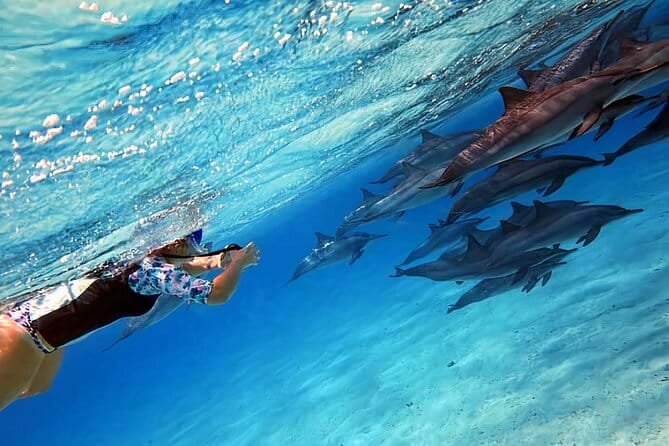
Spinner Dolphins (Stenella longirostris): These are perhaps the most famous, known for their incredible aerial acrobatics, often leaping and spinning multiple times out of the water. They are typically found in large pods and prefer deeper offshore waters. Spinner dolphins are common in the Red Sea.
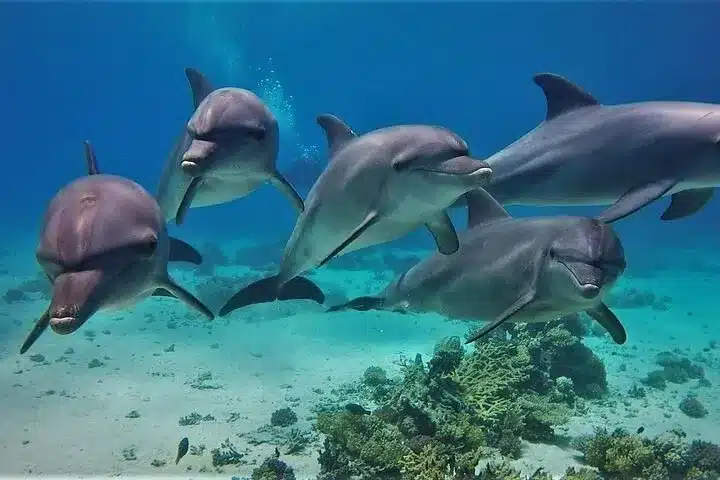
Bottlenose Dolphins (Tursiops truncatus): Instantly recognizable, bottlenose dolphins are robust and highly intelligent. They are often seen closer to shore and are known for their curious nature, sometimes approaching boats. These dolphins are also known to interact with humans.
Risso’s Dolphins (Grampus griseus): These larger dolphins are distinguished by their pale, scarred bodies, which become more prominent with age. They tend to be shyer than spinners or bottlenoses and prefer deeper waters.
Indo-Pacific Bottlenose Dolphins (Tursiops aduncus): Similar to common bottlenose dolphins but with a slightly more slender build, these are also present in the Red Sea.
Typical Dolphin Behavior
Dolphins are highly social animals, living in complex groups called pods. Their behavior can vary based on species, time of day, and environmental factors, but common activities include:
Hunting: Dolphins are expert hunters, often working cooperatively to herd fish.
Playing: They are incredibly playful, engaging in chases, leaps, and body surfing in boat wakes.
Resting: While they don’t sleep in the traditional sense, dolphins have periods of rest where they swim slowly, often with only one half of their brain asleep at a time.
Socializing: Interactions within the pod, such as rubbing, vocalizing, and synchronized swimming, are vital for their social structure.
Observing these natural behaviors from a respectful distance is a core part of an ethical dolphin-watching experience.
The Best Time to See Dolphins: Seasonal Insights
When planning your trip to Hurghada, one of the most common questions is, (When is the best dolphin Hurghada season?). While dolphins are present in the Red Sea year-round, certain seasons offer optimal conditions for sightings and a more comfortable experience.
Year-Round Presence with Seasonal Peaks
Dolphins reside in the Red Sea throughout the year, making sightings possible regardless of when you visit. However, there are periods when conditions are more favorable.
Spring (March to May): This is often considered one of the best times to visit Hurghada for dolphin watching. The weather is pleasant, not too hot, and the sea is generally calm. Calm waters make it easier to spot dolphins and provide a smoother boat ride.
Summer (June to August): While the summer months bring very hot temperatures to Hurghada, the sea remains warm and inviting. Dolphin sightings are still frequent, especially in the early mornings before the heat becomes intense. However, the sheer number of tourists during peak summer might mean more boats on the water.
Autumn (September to November): Similar to spring, autumn offers excellent conditions with comfortable temperatures and generally calm seas. This is another highly recommended period for dolphin encounters, often with fewer crowds than the summer peak.
Winter (December to February): Winter in Hurghada is mild and sunny, making it a popular escape for those seeking warmth. While dolphin sightings are still possible, the sea can be choppier on some days, potentially affecting visibility and comfort on boat trips. Water temperatures are cooler but still suitable for swimming with wetsuits.
SeasonTemperature Range (Air)Sea ConditionsDolphin SightingsTourist CrowdsSpring20-30°C (68-86°F)Calm, mildHighModerateSummer30-40°C (86-104°F)Calm, warmHighHighAutumn25-35°C (77-95°F)Calm, mildHighModerateWinter15-25°C (59-77°F)Can be choppyModerate-HighModerate
Weather and Water Conditions
Calm seas are perhaps the most critical factor for successful dolphin watching. When the water is flat, it’s much easier for guides and passengers to spot fins and splashes from a distance. Rougher seas not only make spotting difficult but can also lead to an uncomfortable boat ride.
Water temperature plays a role, as dolphins may exhibit different behaviors in warmer versus cooler waters, though their presence is consistent. The Red Sea’s clear waters also contribute significantly to visibility, allowing for incredible underwater views if you’re snorkeling.
Maximizing Your Chances: Location and Timing
Beyond the general season, specific locations and times of day can significantly impact your likelihood of encountering dolphins in Hurghada.
Prime Dolphin Habitats
While dolphins roam widely, certain areas around Hurghada are known hotspots due to their rich marine ecosystems and favorable depths.
Giftun Islands National Park: This protected area, including Big Giftun and Small Giftun, is a popular destination for dolphin excursions. The waters around these islands offer diverse habitats that attract various marine life, including dolphins.
Sha’ab El Erg (Dolphin House Reef): Often referred to as “Dolphin House,” this horseshoe-shaped reef is arguably the most famous and reliable spot for dolphin encounters near Hurghada. Its sheltered lagoon provides an ideal environment for spinner dolphins to rest and socialize, especially in the mornings.
Abu Nuhas Reef: While primarily known for its shipwrecks, the healthy reef system around Abu Nuhas can also attract dolphins.
Other Offshore Reef Systems: Many other lesser-known reefs further offshore also serve as hunting and resting grounds for dolphin pods.
Local tour operators are highly knowledgeable about these locations and will often adjust their routes based on recent sightings and optimal conditions.
The Importance of Timing
Early Morning Departures: Most reputable dolphin tours depart very early in the morning, often between 6:00 AM and 8:00 AM. There are several reasons for this:
Dolphin Activity: Dolphins, especially spinner dolphins, are often more active and visible in the early morning hours, particularly at resting sites like Sha’ab El Erg, before they head out to deeper waters for hunting later in the day.
Calmer Seas: The sea tends to be calmer in the mornings before the wind picks up, which is crucial for spotting and a comfortable journey.
Fewer Boats: Earlier departures mean fewer boats on the water, leading to a more peaceful and less crowded experience, both for you and the dolphins.
Avoiding Midday Crowds: As the day progresses, more boats tend to arrive at popular dolphin spots, potentially disturbing the animals. An early start helps avoid this congestion.
Dolphin Tour Options in Hurghada
Hurghada offers a variety of tour options to suit different preferences and budgets. When choosing a tour, it’s essential to prioritize ethical operators.
Types of Tours
Full-Day Boat Trips: These are the most common options. Full-day trips typically include multiple snorkeling stops at different reefs, lunch on board, and dedicated time for dolphin searching. Half-day trips focus more directly on dolphin encounters.
“Dolphin House” Specific Tours: Many operators offer tours specifically marketed as going to Sha’ab El Erg, known for its high probability of spinner dolphin sightings.
Private Charters: For a more personalized and flexible experience, private boat charters are available. This allows you to set your own itinerary and spend more time at your preferred locations.
Snorkeling with Dolphins (Ethical Considerations): Some tours advertise “swimming with dolphins.” While an incredible experience, it’s crucial to ensure the operator adheres to strict ethical guidelines, meaning no chasing or harassing the dolphins. The best approach is to enter the water quietly if dolphins choose to approach the boat, rather than actively pursuing them.
What to Expect on a Tour
Most dolphin tours include:
Transportation: Pick-up and drop-off from your hotel.
Boat Ride: A comfortable boat with sun and shade areas, often with restrooms.
Guidance: Experienced crew and guides who know the local waters and dolphin behavior.
Snorkeling Equipment: Provided on most tours, often including masks, snorkels, and fins.
Meals/Drinks: Lunch and soft drinks are typically included on full-day trips.
Dolphin Search: Dedicated time for actively searching for dolphin pods.
When booking, ask about the operator’s policy on dolphin interaction to ensure it aligns with responsible tourism practices.
Responsible Dolphin Watching: Ethical Guidelines
Our privilege to observe dolphins in their natural environment comes with a responsibility to protect them. Ethical dolphin watching is paramount to ensure these magnificent creatures thrive for generations to come.
Why Ethics Matter
Irresponsible tourism can have detrimental effects on dolphins, including:
Stress and Disturbance: Chasing, crowding, or loud noises can stress dolphins, disrupting their feeding, resting, and breeding patterns.
Behavioral Changes: Repeated negative interactions can alter natural dolphin behaviors, making them less wary of humans or boats, which can be dangerous for them.
Habitat Degradation: Litter, anchor damage to reefs, and pollution from boats can harm their environment.
Key Ethical Practices
When choosing and participating in a dolphin tour, look for and adhere to these guidelines:
Choose Reputable Operators: Select tour companies that explicitly state their commitment to ethical dolphin watching. Look for operators who are certified or follow guidelines from conservation organizations. Ask about their approach to dolphin encounters.
Maintain a Safe Distance: Boats should keep a respectful distance from dolphins (typically at least 50 meters or 165 feet) and avoid encircling them.
No Chasing or Harassing: Dolphins should never be chased, harassed, or cornered. Encounters should be on the dolphins’ terms.
Limit Interaction Time: If dolphins approach the boat, interactions should be brief and non-intrusive.
Quiet Approach: Boats should approach dolphins slowly and quietly, avoiding sudden changes in speed or direction.
No Feeding: Never feed wild dolphins. This can alter their natural hunting behaviors and make them dependent on humans, which can be harmful.
No Touching: Do not attempt to touch wild dolphins. This can transfer diseases and stress the animals.
Respect Their Environment: Do not litter. Ensure any snorkeling or swimming activities are done without disturbing coral reefs or other marine life.
Listen to Your Guide: Follow all instructions from your tour guide, as they are knowledgeable about local regulations and dolphin behavior.
By adhering to these principles, we ensure that our encounters are not only unforgettable for us but also harmless and respectful for the dolphins.
Frequently Asked Questions (FAQ)
Q: Can you guarantee dolphin sightings in Hurghada?
A: No tour operator can guarantee dolphin sightings, as these are wild animals in their natural habitat. However, Hurghada, especially areas like Sha’ab El Erg, has a very high success rate, particularly during optimal seasons and times of day. Reputable operators will maximize your chances.
Q: Is it safe to swim with dolphins in Hurghada?
A: If you choose a tour that offers the chance to swim, it is generally safe if done responsibly. The key is to enter the water calmly and only if the dolphins choose to approach the boat. Never chase or attempt to touch them. Always follow your guide’s instructions.
Q: What should I bring on a dolphin watching trip?
A: We recommend bringing:
Swimsuit and towel
Sunscreen (reef-safe if possible)
Hat and sunglasses
Camera (waterproof if you plan to snorkel)
Light jacket or cover-up (especially for cooler mornings/evenings)
Seasickness medication if you are prone to motion sickness
Water bottle
Q: Are dolphin tours suitable for children?
A: Yes, most dolphin tours are family-friendly and a fantastic experience for children. Ensure the boat is comfortable and safe, and that children understand the importance of respecting the dolphins.
Q: How long do dolphin tours typically last?
A: Half-day tours can be around 3-4 hours, while full-day trips typically last 6-8 hours, often including multiple snorkeling stops and lunch.
Conclusion: Planning Your Unforgettable Red Sea Encounter
An encounter with dolphins in their natural habitat is a truly magical experience, and Hurghada offers one of the best opportunities in the world to witness these incredible creatures. By understanding the best delfine hurghada jahreszeit, knowing where and when to look, and most importantly, choosing responsible tour operators, we can ensure that our pursuit of this wonder contributes positively to marine conservation.
Whether you’re visiting in the pleasant spring, the warm summer, the inviting autumn, or the mild winter, the Red Sea’s resident dolphins are always present. Focus on early morning excursions to prime locations like Sha’ab El Erg, and always prioritize ethical interactions. By doing so, you’re not just booking a trip; you’re investing in an unforgettable, respectful, and awe-inspiring journey into the heart of the Red Sea’s vibrant marine world. Plan your adventure today and prepare for a truly special encounter.



Comment (0)